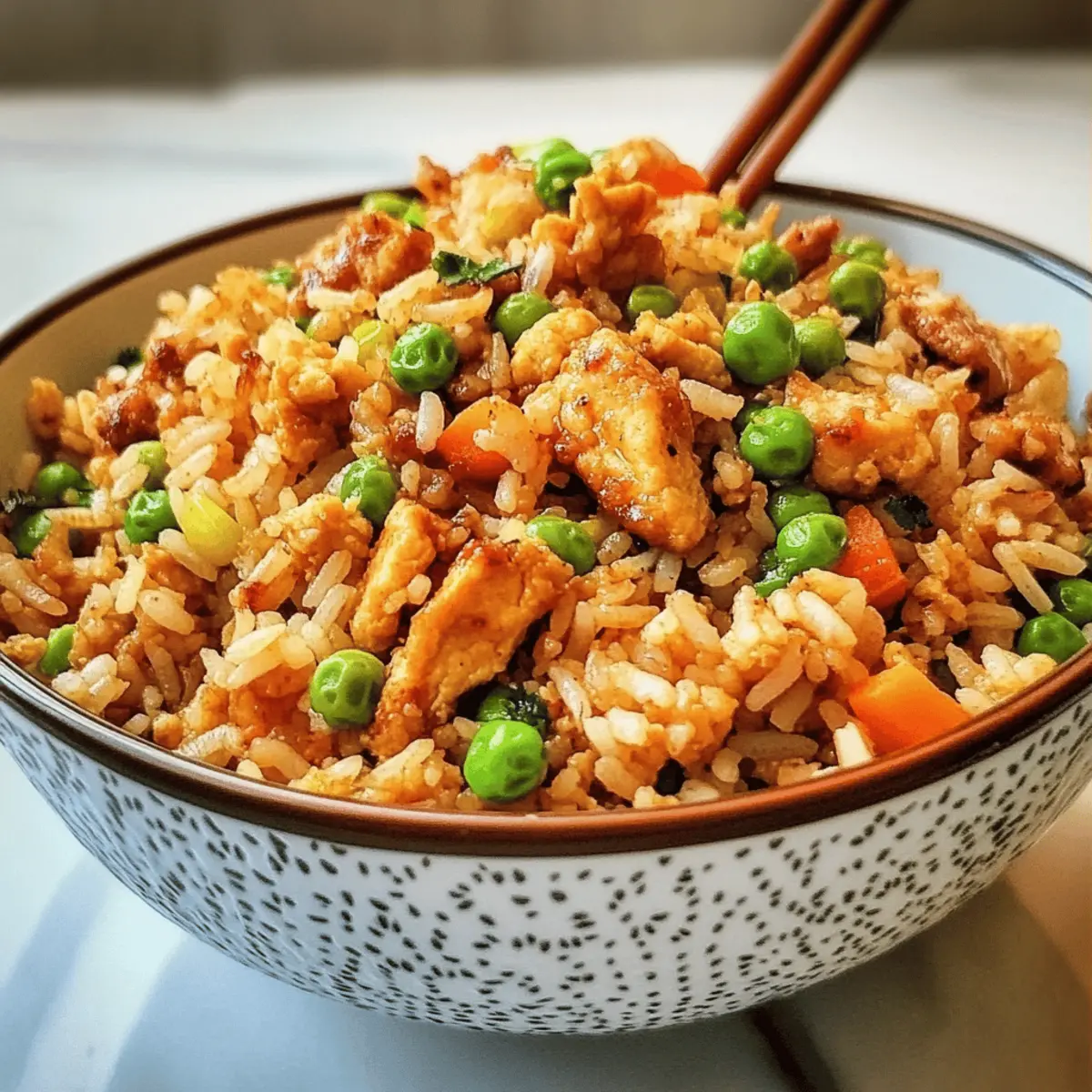
The aroma of sizzling garlic, the satisfying crunch of fresh vegetables, and the tender bite of perfectly cooked chicken – there’s something undeniably comforting and exciting about a plate of classic chicken fried rice. While often a go-to takeout staple, the truth is, the very best chicken fried rice isn't found in a cardboard box; it's made right in your kitchen, customized exactly to your liking. Forget the meager portions and minimal ingredients often found in restaurant versions. This guide will help you craft a homemade masterpiece that’s not only incredibly flavorful but also incredibly easy to make.
Beyond the Takeout Box: Why Homemade Chicken Fried Rice Reigns Supreme
Many of us have a soft spot for takeout fried rice, a quick and convenient option after a long day. However, those familiar with the dish might have noticed a common trend: chicken pieces are often small, almost an afterthought, and vegetables are typically sparse. This is largely due to the economic realities of restaurants needing to keep prices low. As a result, the chicken, which isn't always the most intensely flavored protein, can get lost in the shuffle.
Making chicken fried rice at home completely transforms this experience. You gain unparalleled control over the quality and quantity of every ingredient. Imagine generous, juicy chunks of chicken, bursting with flavor, paired with an abundance of crisp, vibrant vegetables. Homemade fried rice is not only more satisfying but also often healthier, allowing you to manage sodium levels and choose fresh, wholesome ingredients. It’s a versatile dish that comes together remarkably quickly, making it a perfect solution for a delicious weeknight meal that often tastes better than anything you'd order. For a step-by-step guide to achieving that superior homemade taste, check out our article: Easy Chicken Fried Rice: Better Than Takeout, Faster To Make.
The Foundation: Perfecting Your Chicken and Rice Base
Two core ingredients define chicken fried rice: the chicken and the rice. Getting these right is key to a superior dish.
Choosing and Preparing Your Chicken
- Cut Matters: While chicken breast is a popular and lean choice, offering a clean flavor, consider chicken thighs for a more tender, juicier, and flavorful result. Dicing the chicken into thin, bite-sized pieces ensures quick and even cooking. For truly juicy chicken, a quick marinade (even 15-30 minutes) in a touch of soy sauce, a pinch of sugar, and a teaspoon of cornstarch can work wonders, tenderizing the meat and helping it retain moisture during the high-heat cooking process.
- Generosity is Key: Unlike takeout, you're not restricted by cost. Feel free to be generous with your chicken portions, ensuring every spoonful offers a satisfying bite of protein. For more tips on achieving succulent chicken every time, read our guide: Juicy Chicken Fried Rice: Your Guide to a Delicious Weeknight Meal.
The Secret to Perfect Fried Rice: Leftover Rice
This is arguably the most crucial tip for any fried rice recipe. Always use cold, day-old cooked rice.
- Why Leftover? Freshly cooked rice has a high moisture content, which can lead to a mushy, clumpy fried rice. Cold, day-old rice, ideally stored uncovered in the fridge for a few hours or overnight, dries out slightly. This allows the grains to separate beautifully when stir-fried, giving you that desirable individual grain texture, often referred to as "wok hei" (the breath of the wok).
- Rice Type: Medium or short-grain white rice are excellent choices for their ability to absorb flavor and maintain structure. However, don't shy away from experimenting! Brown rice offers a nutty flavor and a chewier texture, while jasmine rice provides a lovely fragrance.
Unleashing Flavor: Essential Aromatics and Sauces
The true magic of chicken fried rice lies in its aromatic base and the balanced layers of savory sauces.
Aromatic Powerhouses: Garlic and Ginger
These two ingredients are non-negotiable for authentic fried rice flavor. Many home cooks, and even some professional chefs, agree: the more garlic, the better! Finely minced garlic should be added early in the stir-frying process, briefly cooked until fragrant but not burnt, to infuse the oil with its pungent deliciousness. A small amount of finely minced fresh ginger adds a bright, zesty counterpoint to the richness of the dish. Don't be tempted to use powdered versions; fresh makes all the difference here.
The Sauce Symphony
- Soy Sauce: The cornerstone of most fried rice recipes. Opt for low-sodium soy sauce to control the overall saltiness and prevent your dish from becoming overly salty. This allows you to add more flavor without excessive sodium. Some chefs prefer to use only light soy sauce and season with salt separately, but a good quality low-sodium soy sauce works well for many home cooks.
- White Pepper: Often overlooked, white pepper provides a subtle, earthy heat distinct from black pepper. It's a staple in many traditional Chinese dishes and adds an authentic depth to your fried rice.
- Optional Flavor Boosters:
- Oyster Sauce: For a deeper, more complex umami flavor and a slight hint of sweetness.
- Sesame Oil: A drizzle of toasted sesame oil at the very end adds a wonderfully nutty aroma and flavor.
- A Touch of Sugar: A pinch of sugar can balance the savory notes, especially if using a lot of soy sauce, enhancing the overall flavor profile.
Your Culinary Canvas: Customizing Vegetables and Extras
This is where your chicken fried rice truly becomes *yours*. The beauty of this dish is its incredible versatility.
Classic Vegetable Choices
- Onions: Diced yellow or white onions provide a sweet and savory base.
- Peas and Carrots: Frozen peas and diced carrots are a classic pairing, offering color, sweetness, and a pleasant texture. They are also convenient.
- Bean Sprouts: Added at the very end, bean sprouts provide a wonderful, refreshing crunch.
- Scallions (Green Onions): Essential for both flavor and garnish. The white parts can be stir-fried with other aromatics, while the green parts are typically stirred in at the end or sprinkled on top.
Beyond the Basics: Endless Possibilities
Think of your fried rice as a blank canvas. Here are some ideas to spark your creativity:
- Mushrooms: Sliced fresh mushrooms (shiitake, cremini, or button) add an earthy umami depth.
- Broccoli Florets or Snap Peas: For extra green goodness and a crisp-tender bite.
- Bell Peppers: Red, yellow, or orange bell peppers add sweetness and vibrant color.
- Spinach or Cabbage: Wilted into the rice at the very end for a nutritional boost and a different texture.
- Eggs Your Way: Scramble them directly in the wok and set aside, or barely beat them and pour them into the hot rice for beautiful white streaks as they cook.
- Nuts for Crunch: Toasted cashews or slivered almonds can add a delightful textural contrast and nutty flavor.
- Other Proteins: While the focus is on chicken, feel free to add shrimp, pork (especially char siu), or beef alongside or instead of chicken for variety.
Pro Tip: When adding vegetables, consider their cooking times. Harder vegetables like carrots should go in first, while softer ones like bean sprouts or spinach should be added closer to the end to maintain their crispness.
Mastering the Stir-Fry: Tips for a Flawless Finish
The technique behind stir-frying is just as important as the ingredients. High heat and quick movements are key.
- High Heat is Your Friend: A wok or a large, heavy-bottomed skillet should be screaming hot before you add any oil. This intense heat is what creates that desirable "wok hei" and prevents ingredients from steaming instead of stir-frying.
- Don't Overcrowd the Pan: Cooking in batches, especially the chicken, ensures even searing and prevents the temperature of your pan from dropping too much. If you overcrowd, your ingredients will steam and become soggy.
- Order of Operations:
- Sear chicken until cooked through, remove, and set aside.
- Scramble eggs (if desired) and remove.
- Add fresh oil, then quickly sauté aromatics (garlic, ginger, white parts of scallions) until fragrant.
- Add harder vegetables (carrots, onions) and stir-fry until slightly tender-crisp.
- Add cold rice, breaking it up with your spatula, and stir-fry for several minutes until it's heated through and slightly toasted.
- Introduce softer vegetables (peas, bean sprouts, green parts of scallions).
- Return chicken and eggs to the pan.
- Pour in soy sauce and other liquid seasonings, tossing quickly to coat everything evenly.
- Finish with a drizzle of sesame oil.
- Taste and Adjust: Always taste your fried rice before serving. Does it need more salt? A pinch of sugar? Another dash of white pepper? Your palate is the ultimate guide.
Making homemade chicken fried rice is a rewarding culinary adventure. It's a dish that celebrates both tradition and personal preference, allowing you to create a meal that's not just food, but a reflection of your own tastes. By understanding the fundamentals and embracing the freedom to customize, you'll soon find yourself turning out batches of chicken fried rice that are infinitely better than any takeout, tailored perfectly to satisfy your cravings.
